05 The Determinants of the Yield To Maturity
The determinant of the Yield To Maturity
RRR = nominal interest rate (risk free) + Risk premium.
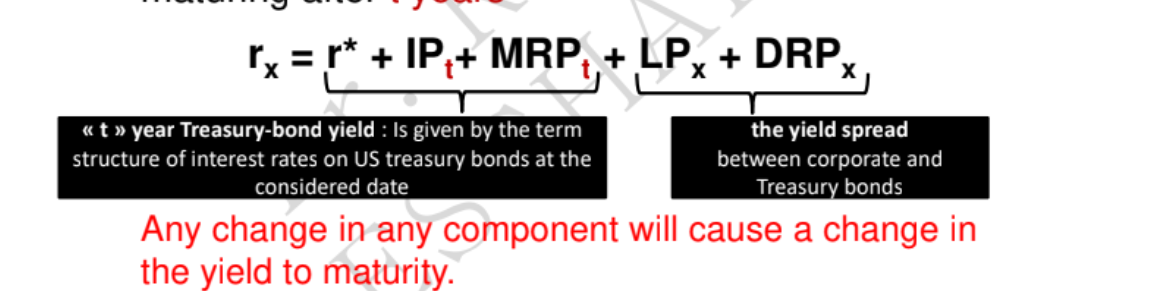
= r* (risk free) + IP + DRP + LRP + MRP .
- Real Risk-Free Rate of Interest, r :* it is the rate that would exist on a riskless security in a world where no inflation was expected.
1. Real Risk-Free rate of return, r*
The rate that would exist on a riskless
security in a world
where no inflation was expected. ex: U.S treasury security in an inflation free world


What affects it
- Return on Real Assets: If riskless borrowers can earn more on productive investments (e.g., factories, tech), they can pay more for loans → r goes up*.
- Time Preference for Consumption:
-
- If people prefer spending now (low savings), less money is available to lend → r rises*.
- If people save more (prefer future spending), more funds available → r falls*.
-
2. Inflation Premium, IP
in a case where inflation rate > interest rate ==> the investment in a treasury bill decreases
the real value of your money.
Rule: To be attractive, Treasury bills should offer a rate of interest Higher than the expected inflation rate.
3. Maturity Risk Premium, MRP
The prices of long-term bonds decline whenever interest rates rise --> all long-term bonds have an element of risk called
interest rate risk.
4. Liquidity Premium, LRP
Holding other factors equal, a less liquid security compensate by offering a higher interest rate.
5. Default Risk Premium, DRP.
The risk that a borrower will default = will not make scheduled interest or principal payments.
- The diff between the interest rate on a T-bond (treasury bond) and that on a corporate bond with similar maturity and no liquidity risk is the DRP.
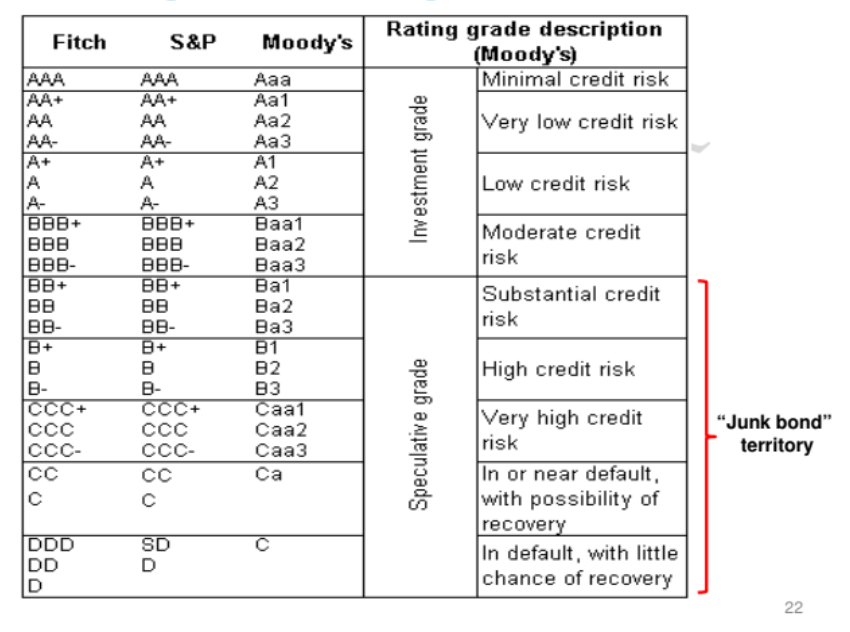
Credit rating
predicting the debtor's ability to
pay back the debt, and an implicit forecast of the likelihood of the debtor defaulting
Yield Spread
- Difference between corporate bond yields and Treasury bond yields.
Lower credit rating (BBB vs. A) → Higher DRP → Higher yield.
Part 2- Term Structure of Interest Rates
6. Term Structure of Interest Rates on US Treasury bonds
yield curve
Recap

Why Long-Term Yields Are Usually Higher
MRP is always positive → Longer maturities = more risk = higher yield.
When Yield Curve Slopes DOWNWARD (Inverted)
Happens when expected inflation (IP) drops sharply
- Short-term IP > Long-term IP.
- If the drop in IP is bigger than the rise in MRP:
==> Short-term yield>Long-term yield


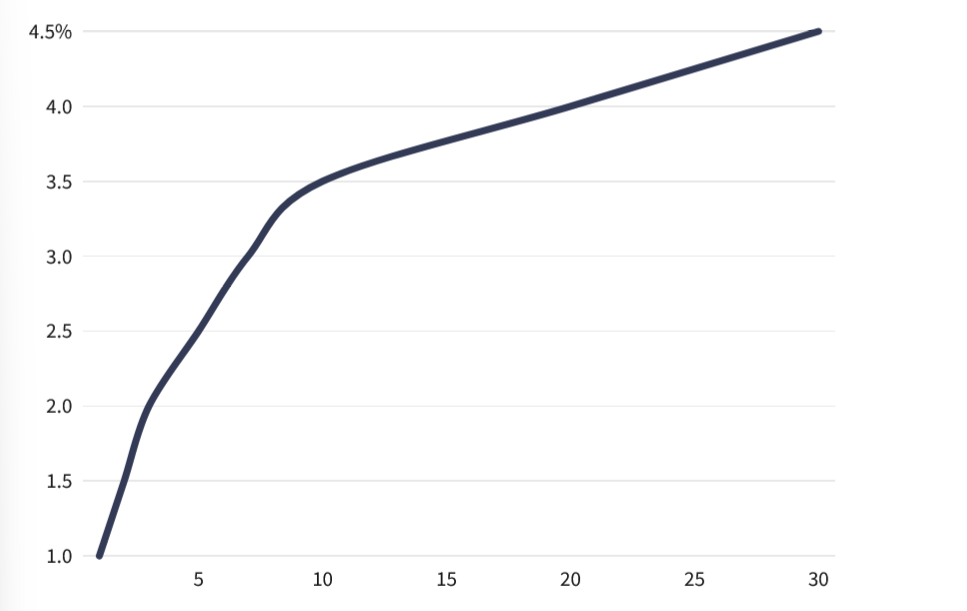
Normal Bond Yield Curve
longer-term bonds Yields > shorter-term bonds Yields
--> Expect stronger economic growth + higher inflation
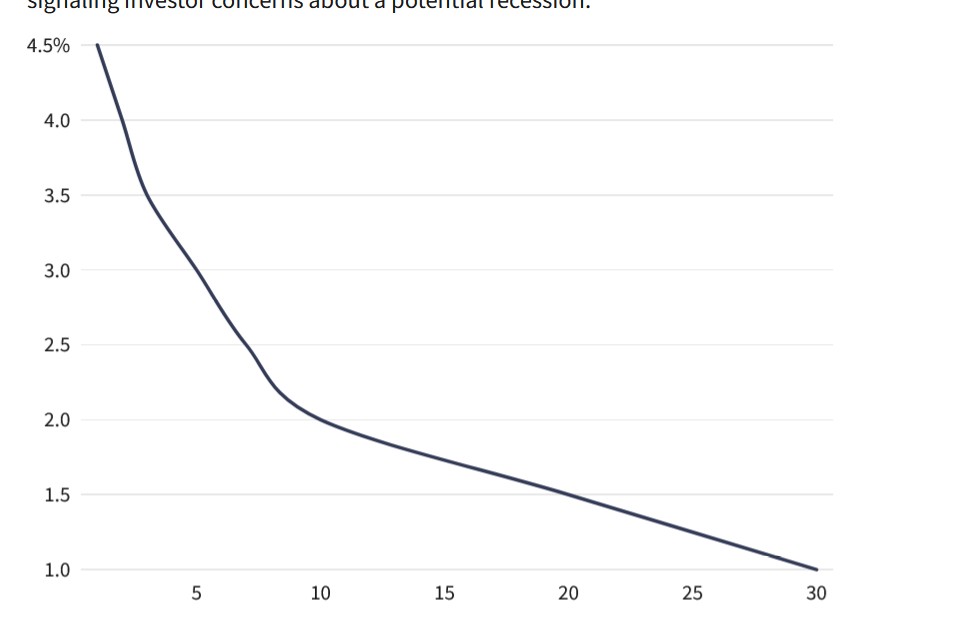
Inverted or Downward Yield Curve
Shorter-term bond Yield > longer-term bond Yields
--> the economy is in, or about to enter, a recession
Flat Yield Curve
Very little variation between short and long-term yields
--> uncertainty about the future direction of the economy
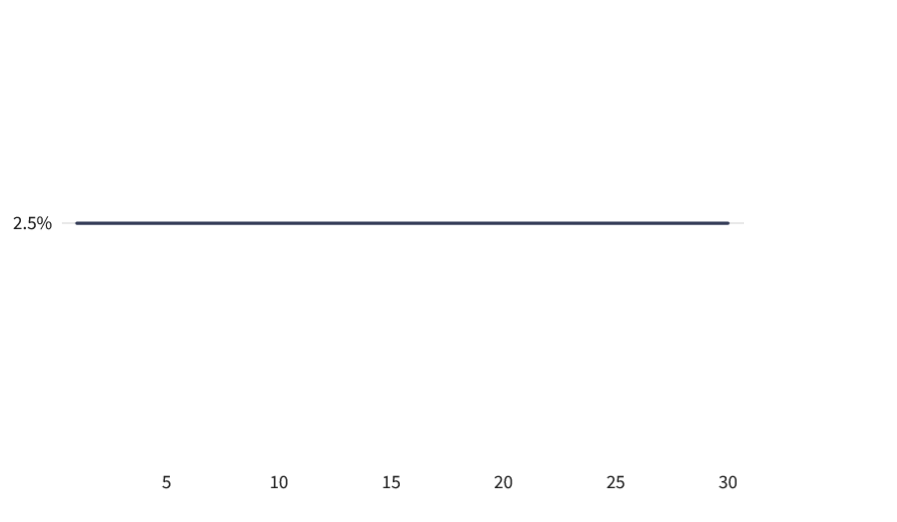
7. The yield curve for corporate bonds
Diff between corporate and treasury bonds
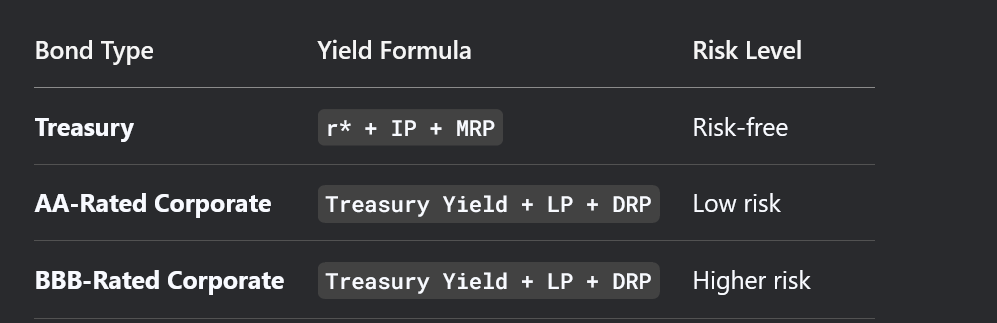
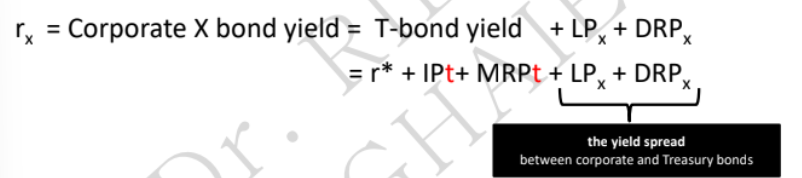
Corporate Yield curves
Same slope as Treasuries but always higher Riskier bonds = higher curve
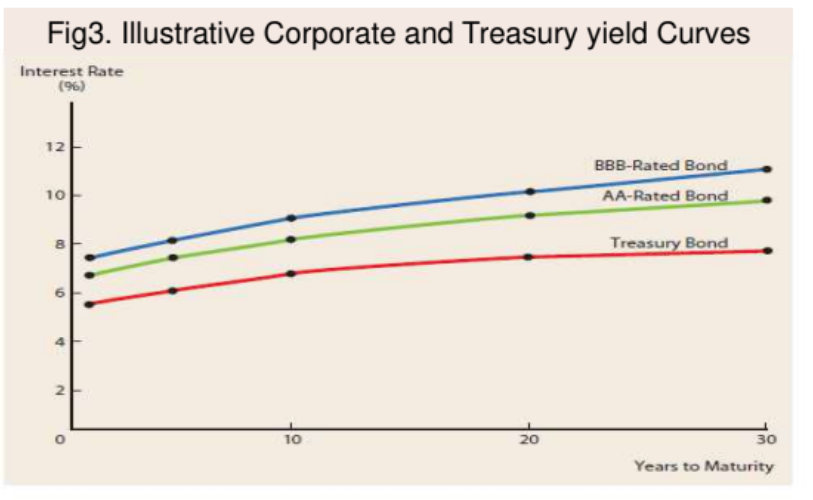
Why Spreads Widen with Maturity
- Default Risk (DRP) Increases Over Time Coca-Cola probably won’t bankrupt in 1 year
- Liquidity Premium (LP) Increases Over Time Short-term: Easy to trade (less risk = more buyers